
What sustainable cleaning actually means
“Green cleaning” is one of the most greenwashed terms in the industry. A product with a leaf on the label tells you nothing; sustainable cleaning is a system — concentrated chemistry with controlled dilution, microfibre that reduces chemical reliance, equipment that cuts water and energy use, and waste practices that keep packaging out of landfill. The environmental gain comes from the method, not the marketing.
For Victorian workplaces with sustainability targets, procurement policies or ESG reporting obligations, the cleaning contract is a measurable lever — and one that should not sacrifice hygiene to look virtuous.
Chemistry, dilution and over-use
The biggest waste in commercial cleaning is chemical over-use — pour-and-guess dilution that uses five times the necessary product, costs more, and leaves residue that attracts soil. Dilution control systems dispense the exact ratio for the task, which is better for the surface, the budget and the environment. Ask a contractor how they control chemical dosing; a credible answer names the system, not a promise.
Microfibre and water reduction
Quality microfibre captures soil and microbes mechanically, reducing the chemical and water needed for most daily cleaning. Colour-coded microfibre systems — the same segregation that supports infection control in our medical cleaning standards — also reduce cross-contamination, meaning less rework and less chemical. The result is a cleaner surface with a smaller footprint.
Waste, packaging and consumables
Sustainability extends to what leaves the building. Refillable dispensers, concentrated refills instead of ready-to-use trigger bottles, recycled-content paper and bin liners, and a consumable monitoring system that prevents over-ordering all reduce waste. Our washroom and amenities service builds consumable management into the scope rather than treating it as an afterthought.
Evaluating genuine sustainability claims
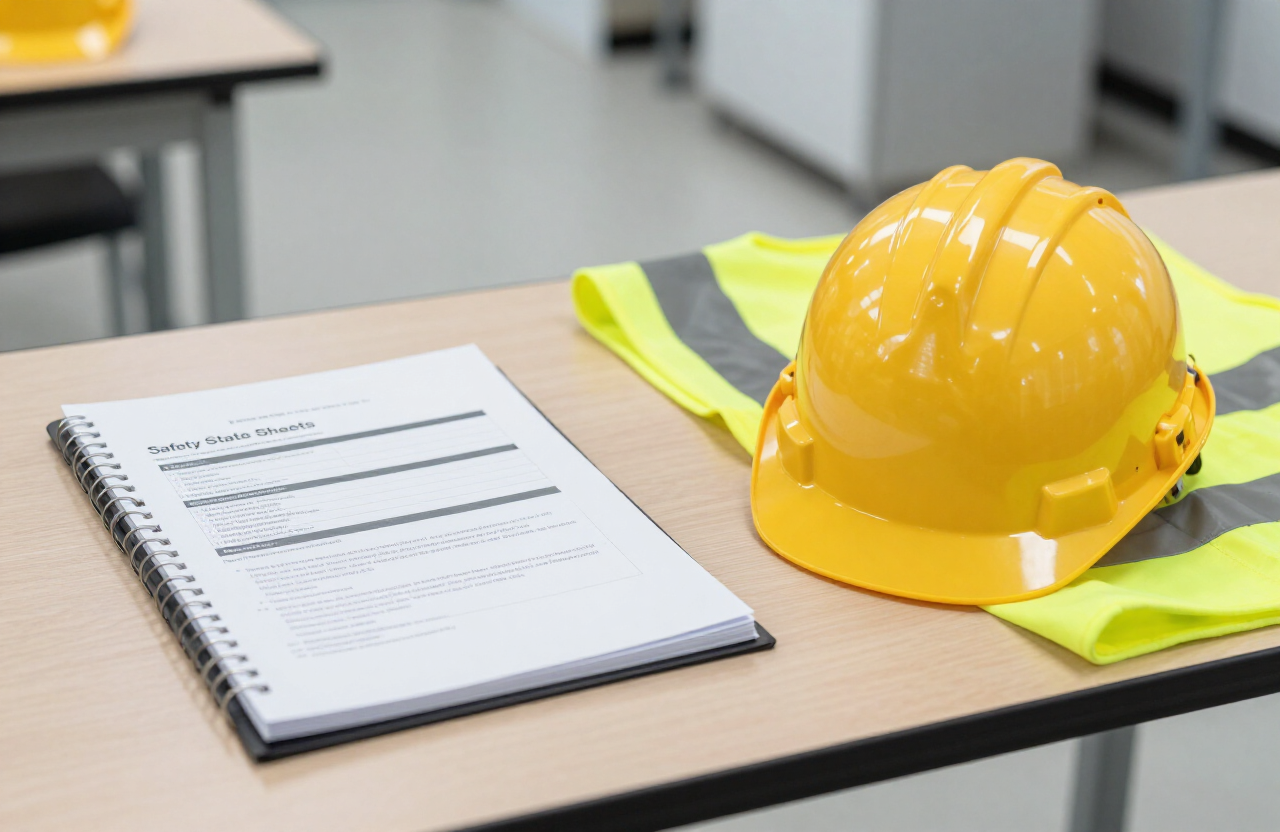
When a contractor claims to be green, ask for specifics. Which products, certified to which standard (Good Environmental Choice Australia, GECA, is the relevant Australian mark)? What dilution system? What waste reduction? A contractor who can only point to a leaf logo is marketing, not managing. Pair the sustainability question with the compliance one in our cleaning compliance checklist — environmental and safety documentation travel together.
Hygiene is not negotiable
Sustainability never justifies a hygiene compromise. The goal is the same clean standard achieved with less impact — disinfection where it matters, reduced chemistry where it does not, and a method that proves both. Done well, eco-friendly cleaning improves indoor air quality and occupant wellbeing alongside its environmental benefit.